
In honor of Women’s History Month, SCANPH is launching a special series highlighting the incredible women who have shaped—and continue to shape—the affordable housing field. Throughout the month, we will spotlight leaders from across our network whose work has driven innovation, advanced equity, and strengthened communities throughout our region. Some of these women remain active leaders today, while others leave behind lasting legacies that continue to influence our work. Through these stories, we celebrate their leadership, resilience, and contributions to expanding access to safe, stable, and affordable homes.
This week, we sat down with Fiona Ma, California State Treasurer, Tara Barauskas, Executive Director, Community Corporation of Santa Monica and Monica Mejia, President and CEO, East LA Community Corporation to discuss what it means to be a woman in the housing industry and their experience in this field.
Fiona Ma
California State Treasurer
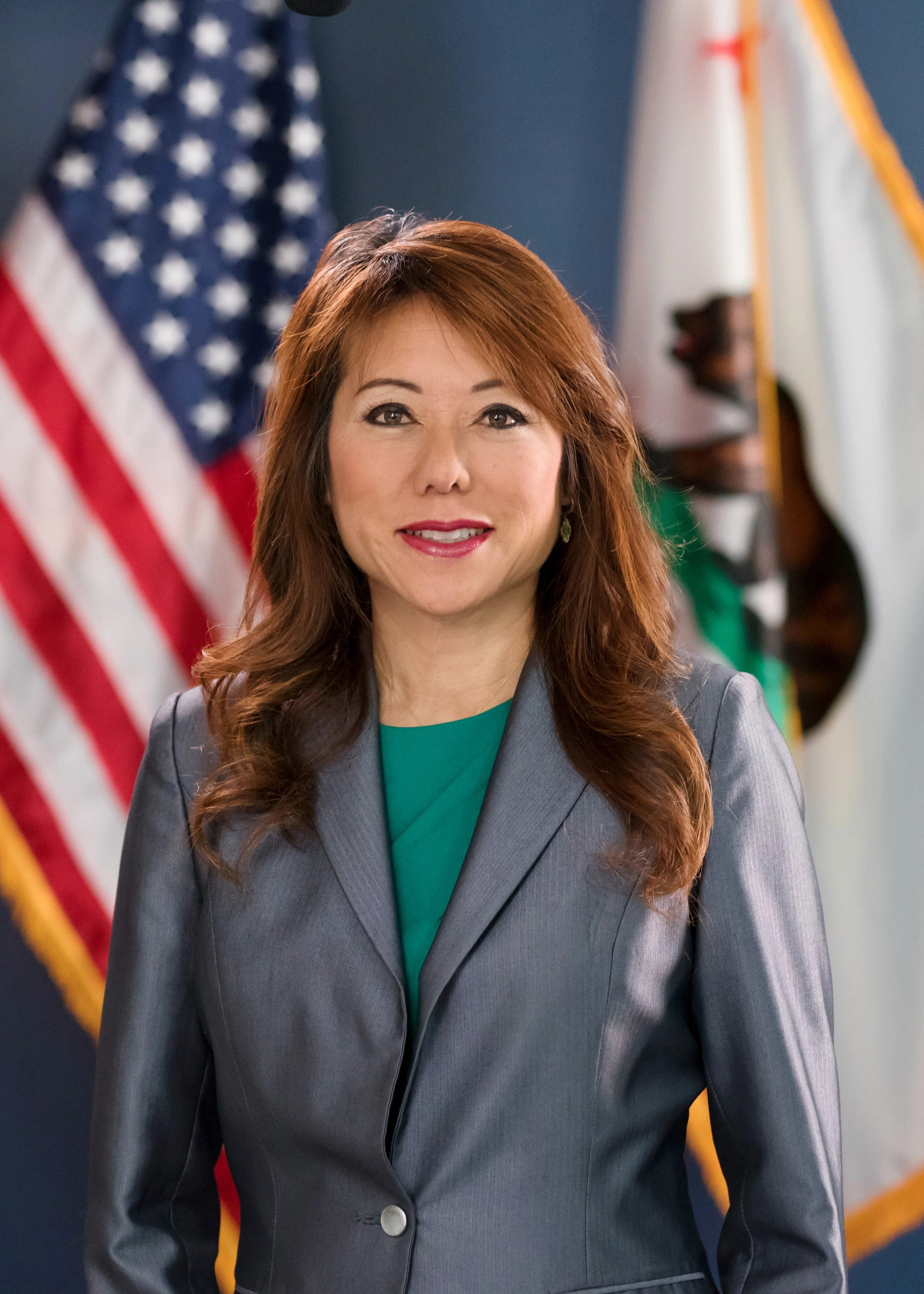
I am a Certified Public Accountant who has specialized in the real estate industry since 1992. For the past seven years, I have served as California State Treasurer, focusing on one of the greatest challenges facing California families—housing supply and affordability. I approach the issue the same way I approach everything: with results, not rhetoric.
What inspired you to get involved in politics and what is your role in affordable housing?
I began my career with Ernst & Whinney in the Real Estate Tax Group in San Francisco. After completing my CPA requirements and a Master’s in Taxation, I opened my own practice at age 28 specializing in real estate, hospitality, and high-net-worth individuals. Around that same time, I served as an alternate member of the San Francisco Assessment Appeals Board hearing commercial and residential property tax appeals.
My work in public policy began as a part-time district representative for John Burton, while volunteering my accounting expertise to help candidates with campaign finance filings.
Today, as State Treasurer, I chair the California Tax Credit Allocation Committee (CTCAC) and the California Debt Limit Allocation Committee (CDLAC), which finance affordable housing developments across the state. Over the past seven years, an additional $500 million annually in 4% state Low-Income Housing Tax Credits has helped expand housing in rural communities and smaller cities. Federal support from Congressman Mike Thompson and Congressman Jimmy Panetta also provided additional 9% federal tax credits to rebuild housing in fire-devastated areas during 2020–2021.
Our housing programs today are transparent, efficient, and focused on delivering stable housing for teachers, nurses, farmworkers, veterans, seniors, foster youth, students, and working families.
As a woman in the affordable housing field, what lessons have shaped your leadership style or approach to this work?
I believe in practical problem-solving, collaboration, and inclusion. When I became Treasurer, I launched a 10-city statewide listening tour to understand the diverse housing challenges facing different regions.
Working with industry experts, we improved regulations, created geographic funding pools, and expanded housing categories to distribute tax credits and bonds more equitably.
As a CPA, I emphasize transparency, accountability, and measurable outcomes. All 17 boards, commissions, and authorities under my office hold public meetings with posted agendas and minutes, and we continue to allow virtual access to expand participation.
Affordable housing financing is complex, and my goal is simple: help projects reach the finish line.
What advice would you give to the next generation of women entering the affordable housing and community development field?
Build strong networks and seek mentors. Affordable housing is complex, and relationships matter—especially when it comes to accessing capital.
I have been fortunate to work with exceptional leaders like Marina Wiant, Executive Director of CDLAC and CTCAC, who brings deep industry expertise and a collaborative approach to solving problems.
Most importantly, stay mission-driven. This work can be challenging, particularly during times of economic uncertainty, but it is deeply meaningful. When you stay focused on outcomes and the people who need stable housing, you will find purpose even in the toughest moments.
What is one accomplishment in your career that you’re especially proud of?
I am incredibly proud of my team at the State Treasurer’s Office. Throughout the COVID-19 pandemic we maintained seamless operations while managing over $3 trillion annually, investing the state’s idle funds, achieving two credit-rating upgrades, and approving a record number of affordable housing projects.
My office also manages bond sales for the CalVet Home Loan Program, which celebrated its 100th anniversary in 2021 after providing more than $8.5 billion in loans to over 425,000 veterans.
We also helped launch the California Dream for All Shared Appreciation Loan Program, which assists first-time homebuyers with up to 20% of a home’s down payment, helping expand homeownership opportunities across the state.
California’s economy has grown significantly during this time, rising from the 6th largest economy in the world in 2016 to the 4th largest today, and I look forward to continuing that momentum.
Education & Professional Credentials
Fiona Ma earned a Bachelor of Science in Accounting from Rochester Institute of Technology, a Master of Science in Taxation from Golden Gate University, and an MBA from Pepperdine University. She has also received Honorary Doctor of Humane Letters degrees from both Rochester Institute of Technology and Golden Gate University.
Ma has been a licensed Certified Public Accountant (CPA) in California since 1995, bringing decades of financial expertise to public service.
Tara Barauskas
Executive Director, Community Corporation of Santa Monica
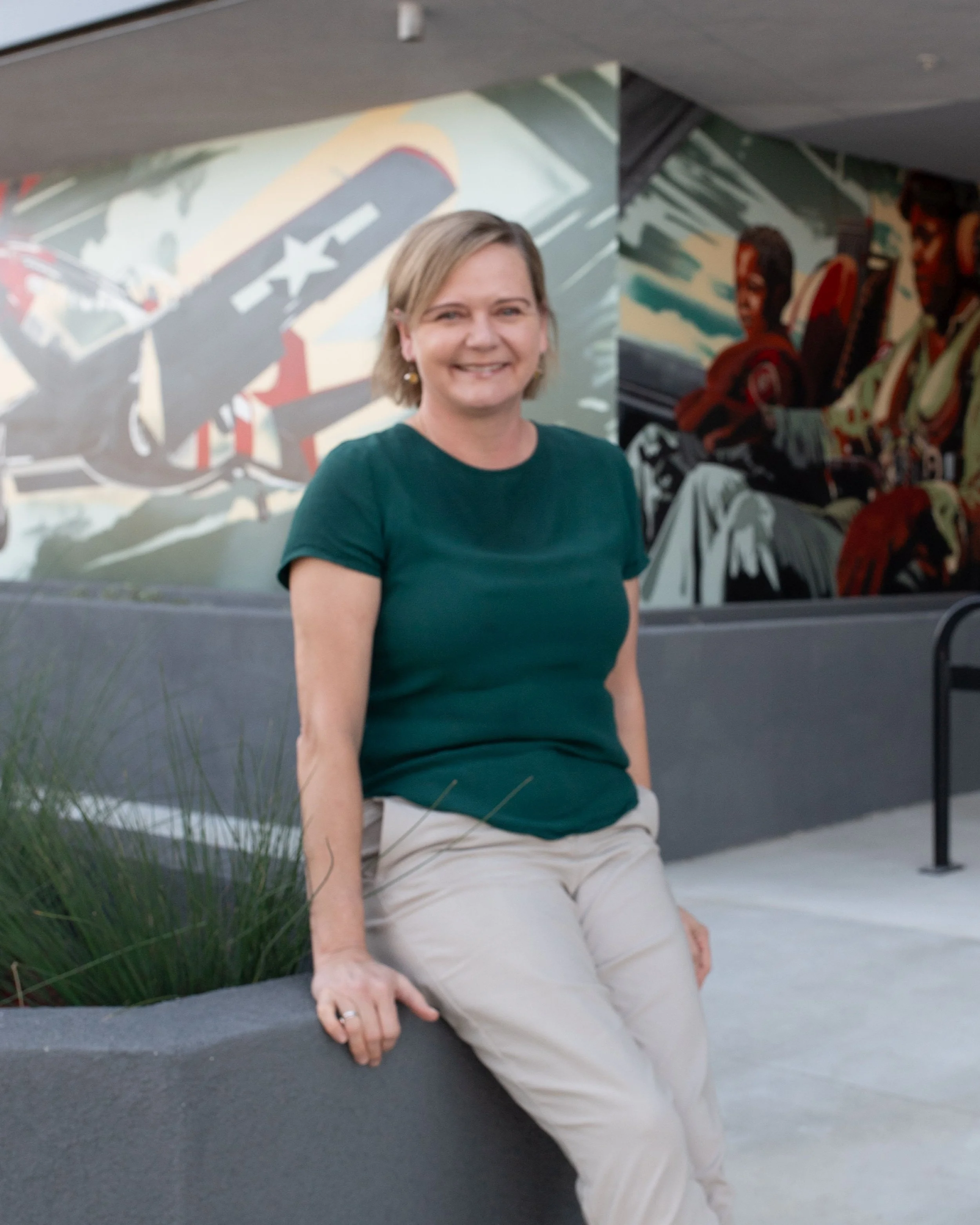
What inspired you to pursue a career in affordable housing, and what continues to motivate you in this work today?
I got into the field of affordable housing completely by accident while I was in undergrad. I didn’t know what I wanted to do career-wise, and got a job with Moe Mohanna at what was then Kaufman & Broad’s affordable housing division. I walked into one of their buildings one day and realized – this is what I want to do! Thus began a journey of learning how to build affordable housing – I got to see projects all over California and began to see the through-lines of our work. I saw similar NIMBY sentiments whether the city was small or large, rural or urban, but also began to see how our work transforms not only neighborhoods but people’s lives. This combination is what gets me up in the morning and continues to give me motivation 26 years later.
As a woman in the affordable housing field, what lessons have shaped your leadership style or approach to this work?
Because I’ve been in this space a while, I’ve gone through my own life journey during my career, including divorce, being a single parent, watching my kids grow up and go to college - all the while having a very busy career building affordable housing. It’s given me deep empathy for my staff, as I know firsthand how “life happens” even while we are working, and that family life and balance are important. I also recognize that we are in a marathon not a sprint, so I try to take that approach with my team. Everyone that works in affordable housing is a person with a life, and I and my leadership team are sensitive to that, all the while trying to do our best to support our mission and keep our organization thriving.
What advice would you give to the next generation of women entering the affordable housing and community development field?
The affordable housing ecosystem is a great place for women. So my advice is to go for it – be brave, leap into it and ask questions if you don’t know something. Don’t be afraid of the “man’s world” (yes, I still hear that sometimes, that real estate development is a “man’s field”) – it belongs to all of us. The other advice is – be dedicated to your work, and also yourself. I spent a lot of years being focused on work and kids and not myself and it’s not the best-so take good care of yourself so you can do the work longer and be healthy.
What is one accomplishment in your career that you’re especially proud of?
I’m really proud of the work I do, and stand behind every building that’s been built by my organization. It’s hard work, and requires a lot of fortitude, so every time we finish a building it’s the best feeling. I think of our buildings as my “babies” and I love them all, but I’m particularly proud of the one we just finished, Red Tail Crossing in Westchester. I put a lot of my own self into that building, because it was in my own neighborhood (which was eye opening) and because I took major risks that could have turned out badly. To be more specific on both, what was eye opening was that since I was building in my own neighborhood, I assumed all my friends would come out and support my project; but I found that many did not. That was hard and affected a few of my friendships, because what I do is so much a part of me. The other is the risk was buying a property with a racist restrictive covenant knowing that the only way to build would be to sue the surrounding neighbors or pass a law. I chose the latter and a year later we had a new bill to nullify density restrictions that are attached to racist covenants. Sometimes we laugh about “whatever it takes” to get housing built – that move felt pretty extreme! The best though is that I’ve already met two single moms who have moved in with their kids. I am so happy and hopeful that they will have a good life and that we may have some small part in that.
Monica Mejia
President and CEO, East LA Community Corporation
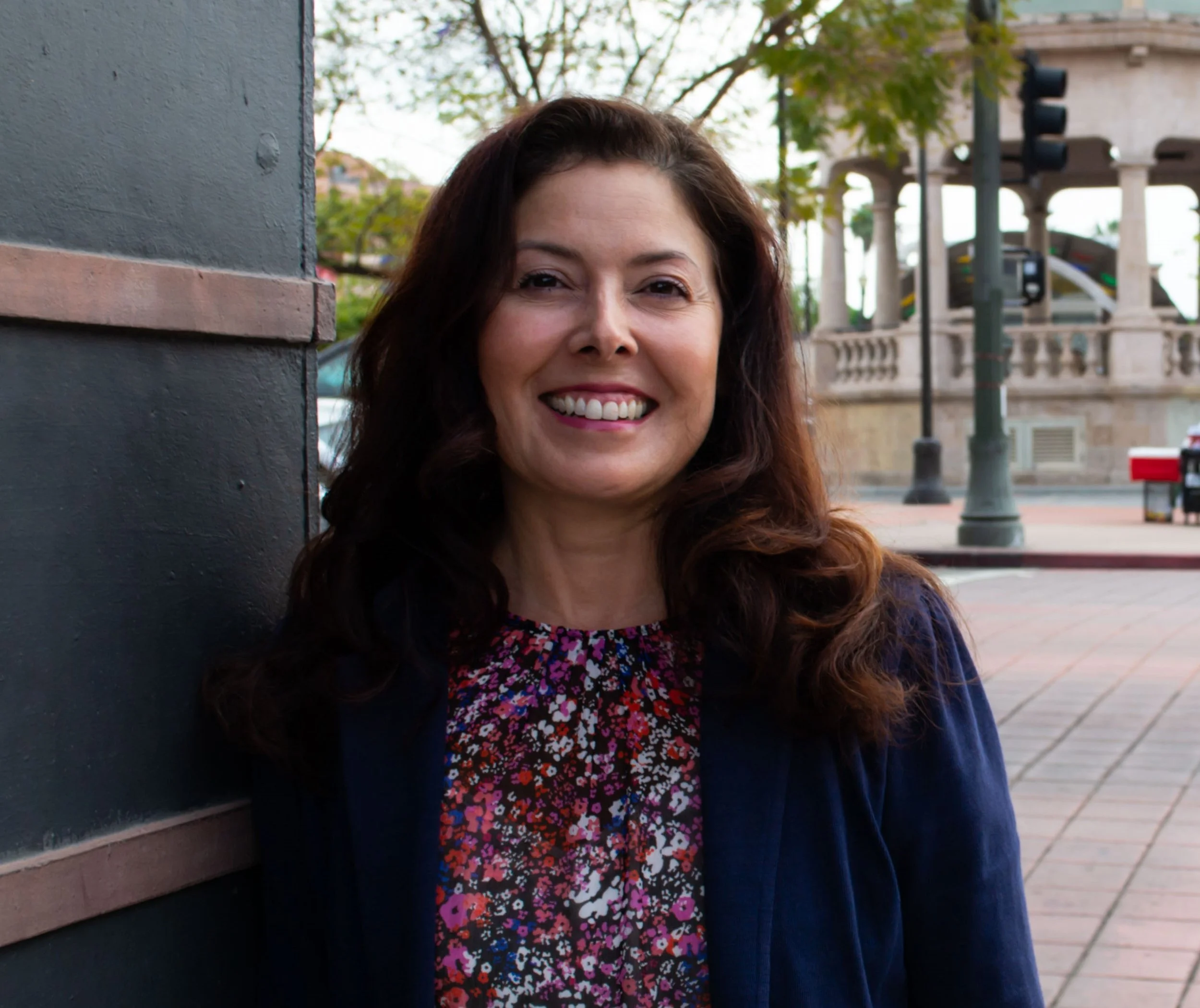
What inspired you to pursue a career in affordable housing, and what continues to motivate you in this work today?
I started out as a lawyer. I went to law school – a good law school - and I passed the bar. When I started to work, it was the recession and only about 30% of my class had work coming out of law school. I was lucky to get a job but I had to take whatever job I could get. At first, I worked for an insurance company and it was really hard for me to work for “the man.” I felt like I was a cog in the system, just working for a corporation. It did not feed my soul. I needed to work for a purpose that serves human needs.
My first job in housing was at a Habitat for Humanity where I did ownership housing and while I did not work as an attorney any more, I put all my analytical skills and documentation skills to use. We sold families condominiums and I had a chance to explain to new homeowners the details of what they were signing in Spanish and to truly help them understand their obligations as homeowners and borrowers. We all thought it would be a difficult change to go from renter to homeowner and so it was good to set up expectations of who is in charge, up front. It was easy to see my purpose in this work. I had the ability to help people in a substantive way. I have been doing affordable housing for 30 years and I have seen how affordable housing is a key to stabilizing families so they can live a productive life.
As a woman in the affordable housing field, what lessons have shaped your leadership style or approach to this work?
When it comes to work and taking on more responsibilities, I have found that women undervalue themselves and they also are not recognized in the same way as men are. The expectations for men are different than for women. Women have to challenge the cultural assumptions of the role we are supposed to play. I don’t think this has changed that much in my 30 years of work. It’s hard to believe how sticky cultural assumptions are.
I grew up in the 80s and so there were some women leaders in the workforce, but none that I could see clearly. It was mostly what I saw on TV as I did not have any direct examples from my view point in grade school. I decided to be a lawyer because the tv show, LA Law had a woman leader, played by Susan Dey. She played a lawyer who was respected for her brain. I did not see women of color in positions of leadership back then, but Susan Dey was enough to give me a path.
The affordable housing industry has many women in positions of leadership and so it has been welcoming to women. We don’t have many women people of color so I am hoping to be part of that change. If you are bilingual and bicultural, you bring extra abilities to your job and to how you do community development. I wish that were honored more.
For modern young women who are moving out into the workforce, I hope they can find the strength to move into many different industries, not just affordable housing, so they can over time, take those positions of leadership and change the culture of how we view female workers.
What advice would you give to the next generation of women entering the affordable housing and community development field?
You will have to be strong and take on more responsibilities and sometimes be more perfect than is good for you. I suggest you use fitness in some way to keep your brain healthy. Affordable housing is getting harder and harder to do. The regulations we deal with are getting harder and more complicated. You can stand out by being more informed than others.
Also, document your successes. Keep a folder of all the good things you do during the year. When the time comes for annual reviews, you have the back-up ready to discuss how great you are. Your boss, will probably only remember the last 3 months of your performance. You will have a year of achievements ready to share.
Last, networking was such a buzz word when I was younger. Later it was called building relationships. The real definition is sharing about yourself, your hard work, your standards and your values. Later, when something difficult comes up, and it always does, there are assumptions in place to who you are and how you handle difficult problems. You need team work to build affordable housing. When people trust you, when they understand who you are, it builds the team. People don’t believe that I am shy, but I am. I still have to force myself to share things.
What is one accomplishment in your career that you’re especially proud of?
There is not one thing specifically. I think I have succeeded because I have kept going, little by little, constantly working to build more affordable housing. I am proud of those years of dedication.