
In honor of Women’s History Month, SCANPH is launching a special series highlighting the incredible women who have shaped—and continue to shape—the affordable housing field. Throughout the month, we will spotlight leaders from across our network whose work has driven innovation, advanced equity, and strengthened communities throughout our region. Some of these women remain active leaders today, while others leave behind lasting legacies that continue to influence our work. Through these stories, we celebrate their leadership, resilience, and contributions to expanding access to safe, stable, and affordable homes.
This week, we sat down with Lourdes Castro Ramirez, President and CEO of Housing Authority of the City of Los Angeles (HACLA), Denice Wint, Vice President of Real Estate Development at EAH Housing and Amy Turk, CEO of Downtown Women’s Center, to discuss what it means to be a woman in the housing industry and their experience in this field.
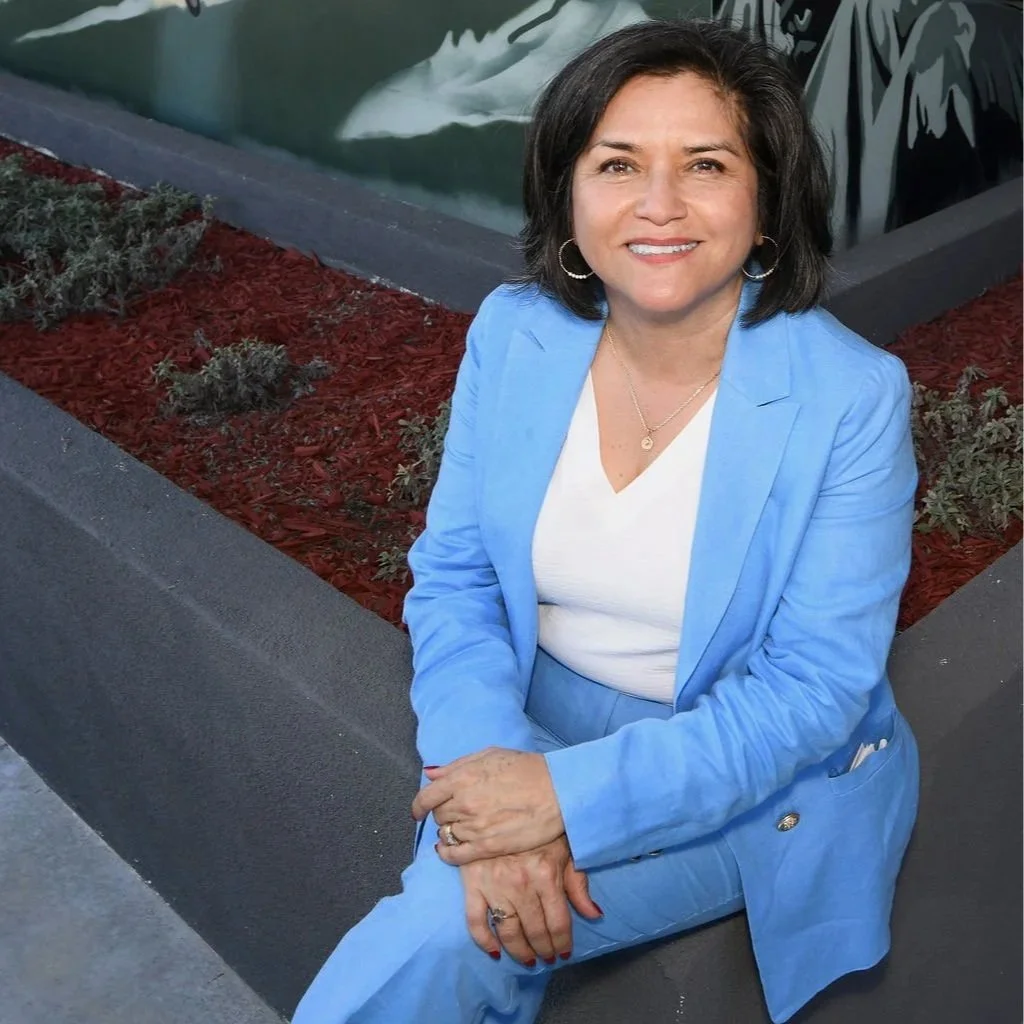
Lourdes Castro Ramirez
President & CEO, Housing Authority of the City of Los Angeles (HACLA)
What inspired you to pursue a career in affordable housing, and what continues to motivate you in this work today?
My commitment to affordable housing was born out of my first role after graduate school, working for a Community Development Corporation (CDC) in Ventura County. Witnessing the dismal housing conditions of agricultural workers felt personal to my own history and served as a profound turning point. It was there I discovered the field of housing and community development; and how housing is not just a line item in a budget—it is the foundation for everything else.
When a family is not cost-burdened—spending 30% or less of their income on rent—they gain the stability necessary for their life to flourish. I saw firsthand that a steady, safe home allows children to perform better in school and provides adults with a sanctuary to rest and recharge. This realization defined my career mission: to preserve and produce quality, affordable housing for the hardworking individuals and families who are the backbone of our communities.
That experience remains my primary driver. As the President & CEO of the Housing Authority of the City of Los Angeles (HACLA), I champion this vital work and am steadfast in our agency’s mission to enhance the quality of life for all Angelenos. By leveraging partnerships at the local, state, and federal levels, we are unlocking affordable housing and creating pathways to opportunity.
As a woman in the affordable housing field, what lessons have shaped your leadership style or approach to this work?
My approach to leadership is guided by the principle of building communities from the inside out. Early in my career, my mentor Rodney Fernandez taught me the importance of acknowledging the inherent talents and value that every person brings to the table.
Too often, public sector systems are designed to focus on deficiencies—asking what is "wrong" or what "gaps" exist. I believe in flipping that script. My leadership is rooted in an asset-based approach. While we must acknowledge systemic inequities, we must never let them be the starting point. By recognizing the strengths of a community first, the relationships we build and the solutions we create are more respectful, resilient, and effective.
What advice would you give to the next generation of women entering the affordable housing and community development field?
To the young women entering this field: public service is a deeply meaningful and rewarding path. In this line of work, you can do a lot of good creating and expanding opportunity for others while also providing a stable life for yourself and your family.
Do not be deterred by old stereotypes of "government work." The public sector is a place for innovation, where you can deliver impact at a massive scale while remaining mission oriented. I enjoy waking up every morning knowing that I am going to work with people in service to others. So, I encourage you to give the public sector a chance.
What is one accomplishment in your career that you’re especially proud of?
I am incredibly proud to have served under the Obama administration, leading the Office of Public Housing and Native American Housing Programs. My goal was to move beyond simply "administering federal programs" and instead use housing as a platform for health, equity, and connectivity. Several key achievements from this tenure still exist today including:
Public Health: Instituted a landmark nationwide non-smoking policy across all public housing to create healthier living environments.
Digital Equity & Education: Launched ConnectHome, a groundbreaking initiative to bridge the digital divide by providing free and low-cost internet access to public housing residents; and helped design Project SOAR to increase college attendance.
Tribal Sovereignty: Strengthened critical government-to-government relations with Native Nations across the country, ensuring housing programs respected and supported tribal self-determination.
Expansion of Housing Support: Secured increases in rental subsidies for the voucher program to provide greater stability for low-income households.
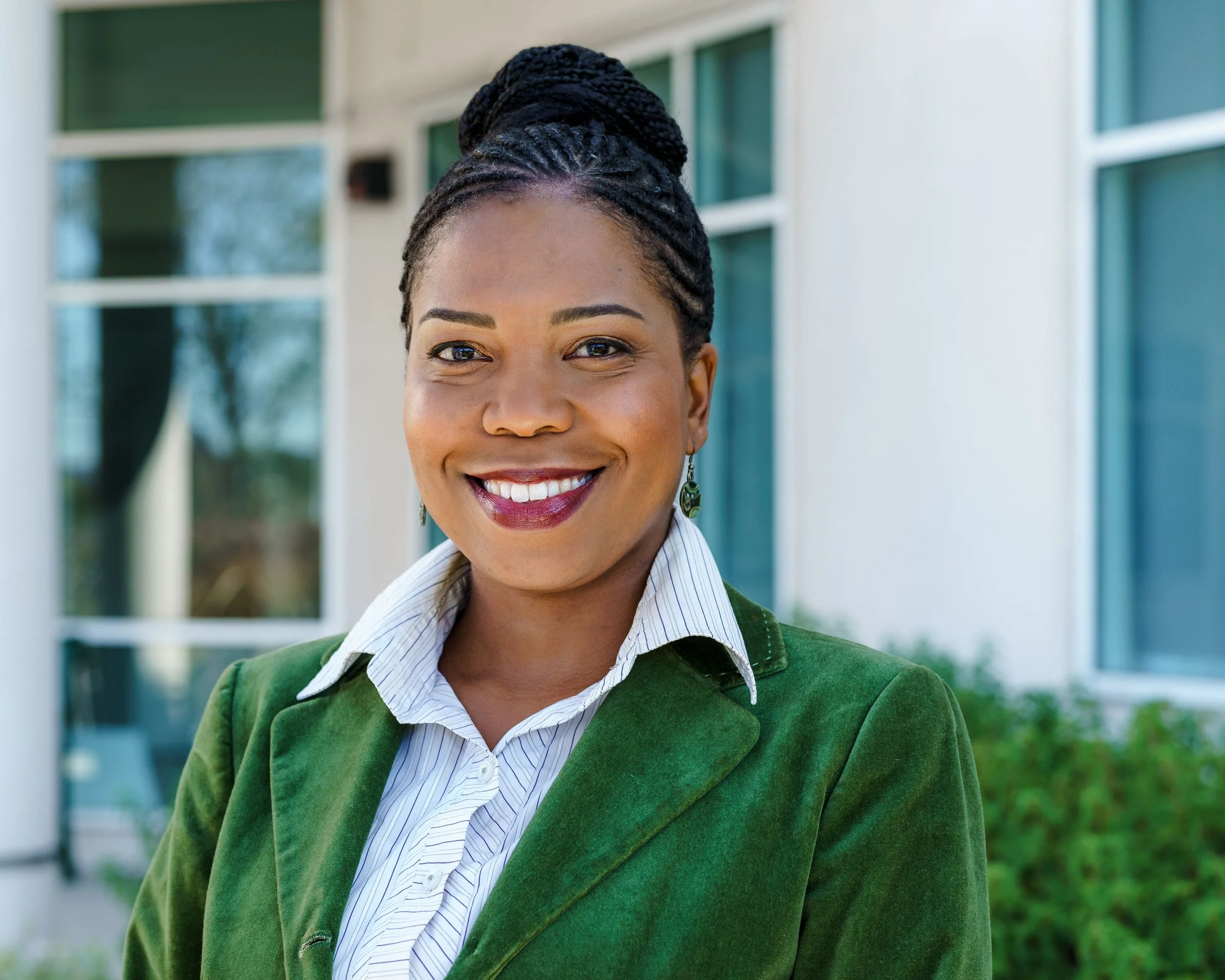
Denice Wint
Vice President, Real Estate Development, EAH Housing
What inspired you to pursue a career in affordable housing, and what continues to motivate you in this work today?
It is hard to pinpoint the one specific occurrence that inspired me to pursue a career in affordable housing. There were countless overlapping events that contributed to that choice. The final decision was when I was an intern sitting in the room with city staff and a nonprofit affordable housing developer. I realized then that I wanted to be involved in the physical transformation of communities and not just provide funding. I wanted to join an organization that was mission driven and provided housing opportunities for the community’s most vulnerable populations. I knew that my journey until that moment in the conference room was providential. Shortly after, I read an article in Essence Magazine highlighting a Los Angeles-based developer, who is an African American woman, and her significant achievements in the field of real estate development. I had to meet her. She was among the three developers who replied to my request for an informational interview. Her example provided a model for professional growth, which continues to motivate my work today. Opportunities for inspiration in this work are abundant, yet the chance to have a glimpse of your future self is uncommon. I aim to be an effective leader, mentor, and professional in this field. Our work is meaningful, and I truly value the opportunities to guide those interested in affordable housing development.
As a woman in the affordable housing field, what lessons have shaped your leadership style or approach to this work?
I have had the good fortune to work with incredible leaders in affordable housing, whose leadership skills greatly influenced my own approach. In fact, every firm I worked for was led by women. Through these experiences, I gained important leadership qualities like empathy, how to advocate for staff, trusting your team, patience, independence, initiative, dependability, relationship building, confidence, and grace. Some of these women encountered significant challenges in proving their value in this filed and in their positions, and I have at times, experienced similar challenges. While I may not know when I will completely overcome these obstacles, I recognize their presence and remain committed to ensuring they do not impact my performance. Having observed these challenges firsthand, I appreciate having a strong support system and an extensive network of women colleagues who assist me in addressing issues that extend beyond affordable housing.
What advice would you give to the next generation of women entering the affordable housing and community development field?
I will pass on the advice I received from the three developers who responded to my request for informational interviews: learn to interpret architectural plans, take a class on financial proformas, develop an entrepreneurial mindset, and—perhaps the most challenging—find any entry point you can in this competitive industry. Do not stress about the money; it will come. I will also add build your coalition and position yourself to be an expert in some of the recent trends in this ever-evolving field. Learn about compliance, property management, resident services, project financing, public policy, and technology. I have benefited from working in small organizations for most of my career because it allowed me to see and experience every stage of my projects. The more you know about the whole spectrum of affordable housing and community development, I believe the further you will go in whichever direction you choose. You do not need to know everything but know enough to be a part of the conversation.
What is one accomplishment in your career that you’re especially proud of?
Oh gosh! Just one? During the course of my career as a project manager, I was responsible for overseeing over a dozen projects through design, financing, construction, and lease up. As a manager, I was responsible for leading and developing my team and for strategic planning and execution. My most significant accomplishment in my career is upholding professional integrity. I can admit to a mistake, stand up for a teammate, and not compromise on quality. One particularly memorable instance is when a former teammate called me to thank me for the support I offered when he was under my supervision. He shared that I was able to see something in him that he did not know about himself. I was pleasantly surprised. Building genuine connections with colleagues and coworkers means a lot to me, so receiving that feedback years later highlighted how my contributions extend far beyond the physical workplace.
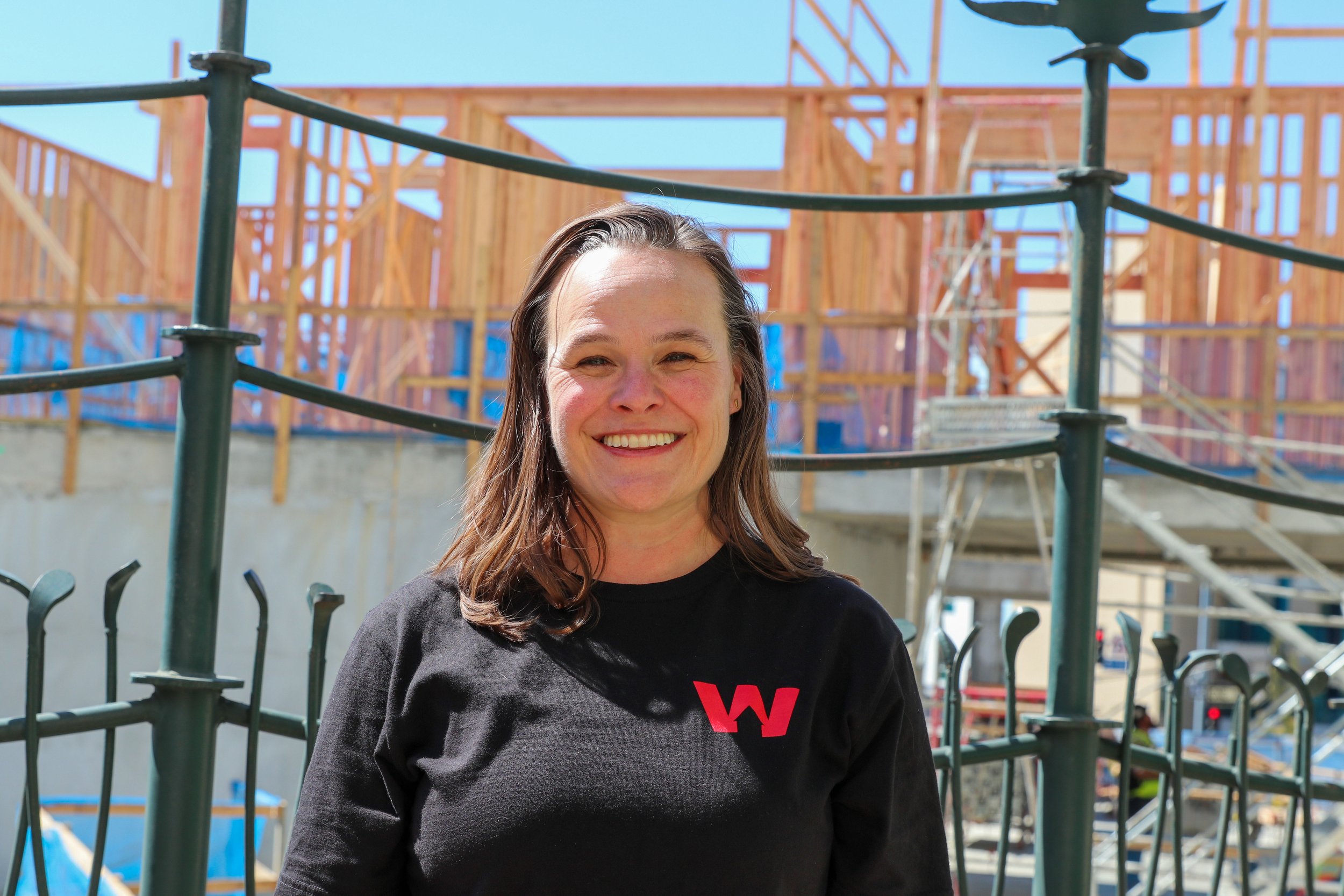
Amy Turk
CEO, Downtown Women’s Center
What inspired you to pursue a career in affordable housing, and what continues to motivate you in this work today?
A volunteer experience at what is now The People Concern set the course of my career 25 years ago. I came to affordable housing through direct service including, sitting alongside women navigating homelessness, trauma, and profound instability balanced with remarkable resilience and strength. I was immediately drawn to doing whatever it took to help someone move from surviving on the streets to holding the keys to a permanent home. There is nothing more powerful than witnessing that moment, when an individual or family unlocks their own front door for the first time and begins again. That transformation continues to fuel my commitment to this work today.
As a woman in the affordable housing field, what lessons have shaped your leadership style or approach to this work?
This work truly takes a village, and I am one part of something much larger. I feel deeply fortunate to contribute to the collective effort it takes to bring affordable housing to life. What is striking is that in 2026 there are still so few women housing developers. That has not been true for Downtown Women’s Center (DWC), though!
Our founder, Jill Halverson, developed 48 units of housing in 1987. Under the leadership of our former CEO, Lisa Watson, DWC expanded in 2010, remodeling a former shoe factory (developed by a woman in 1927!) into a full-service campus with 71 units of housing.
Today, I have the honor of carrying that legacy forward by leading the expansion of our campus with an additional 97 units of housing into what will become Rosa’s Place, named after the first woman who needed DWC’s care at our founding. The village surrounding Rosa’s Place has been led by other female developers including Sonya Falcone of Daylight Community Development and Michelle Walther of United Building Company.
This lineage of women-led vision has deeply shaped my leadership, grounding in collaboration, long-term thinking, and responsibility to those who need our housing the most.
What advice would you give to the next generation of women entering the affordable housing and community development field?
Complex housing projects do not happen without leaders who are committed for the long haul. I have found tremendous value in staying rooted. Over the past 14 years at DWC, that longevity has allowed me to steward multi-year, high-impact projects that have resulted in permanent stability for hundreds of people. My advice is this: stick with it, add value beyond what is asked of you, and approach this work as a collective effort. Affordable housing is built by villages, not individuals.
What is one accomplishment in your career that you’re especially proud of?
I began my career as a case manager during a pivotal shift in our sector, when we started moving away from requiring people to “prove readiness” for housing. Instead, we embraced the belief that people deserved permanent housing regardless of how long they had experienced homelessness. By building trusting relationships and applying evidence-based practices like Trauma-Informed Care and Critical Time Intervention, we demonstrated that people could and would retain housing. I am proud to have been part of that movement, centering dignity, self-determination, and trust. This has since become a lasting standard in Permanent Supportive Housing with strong, proven outcomes.